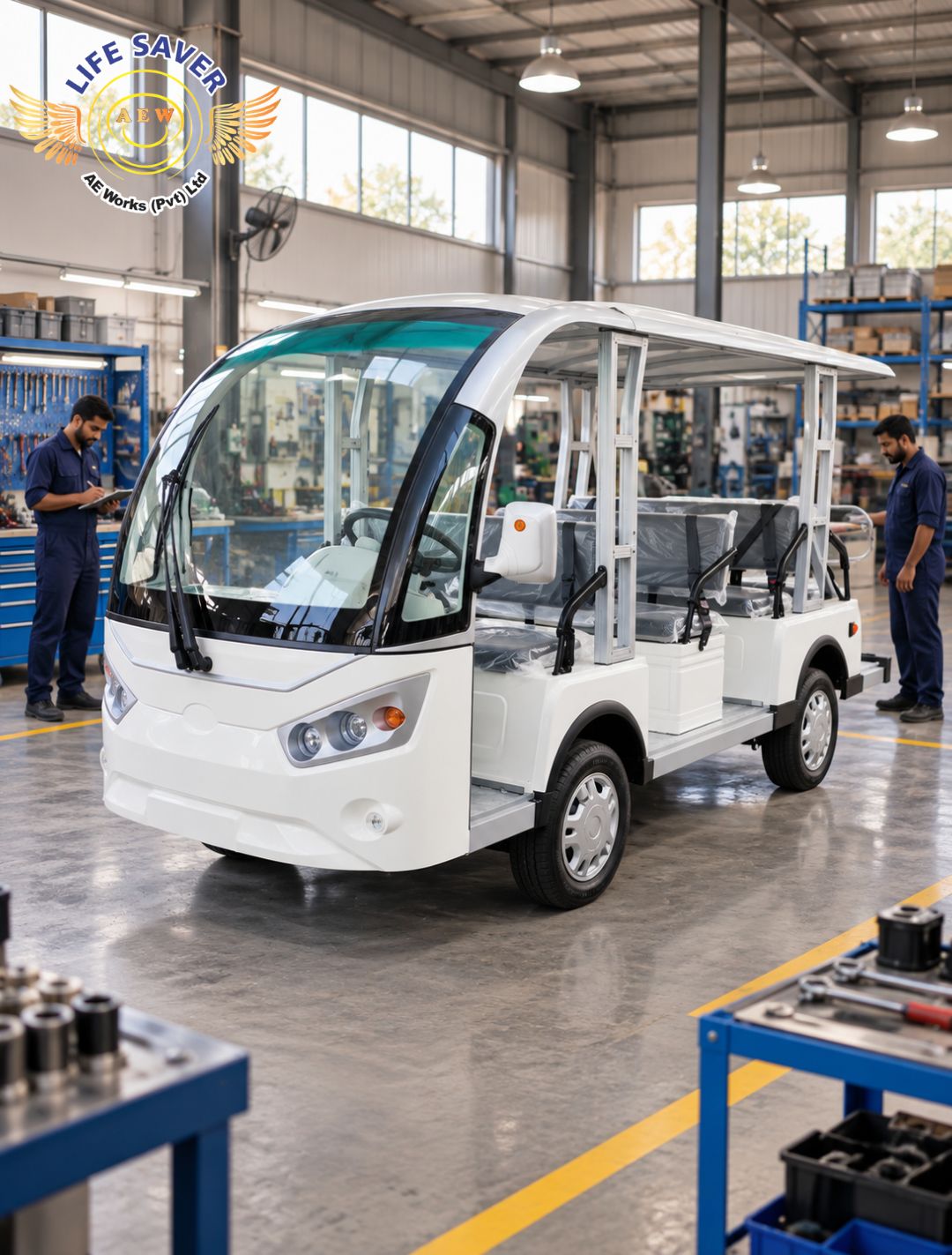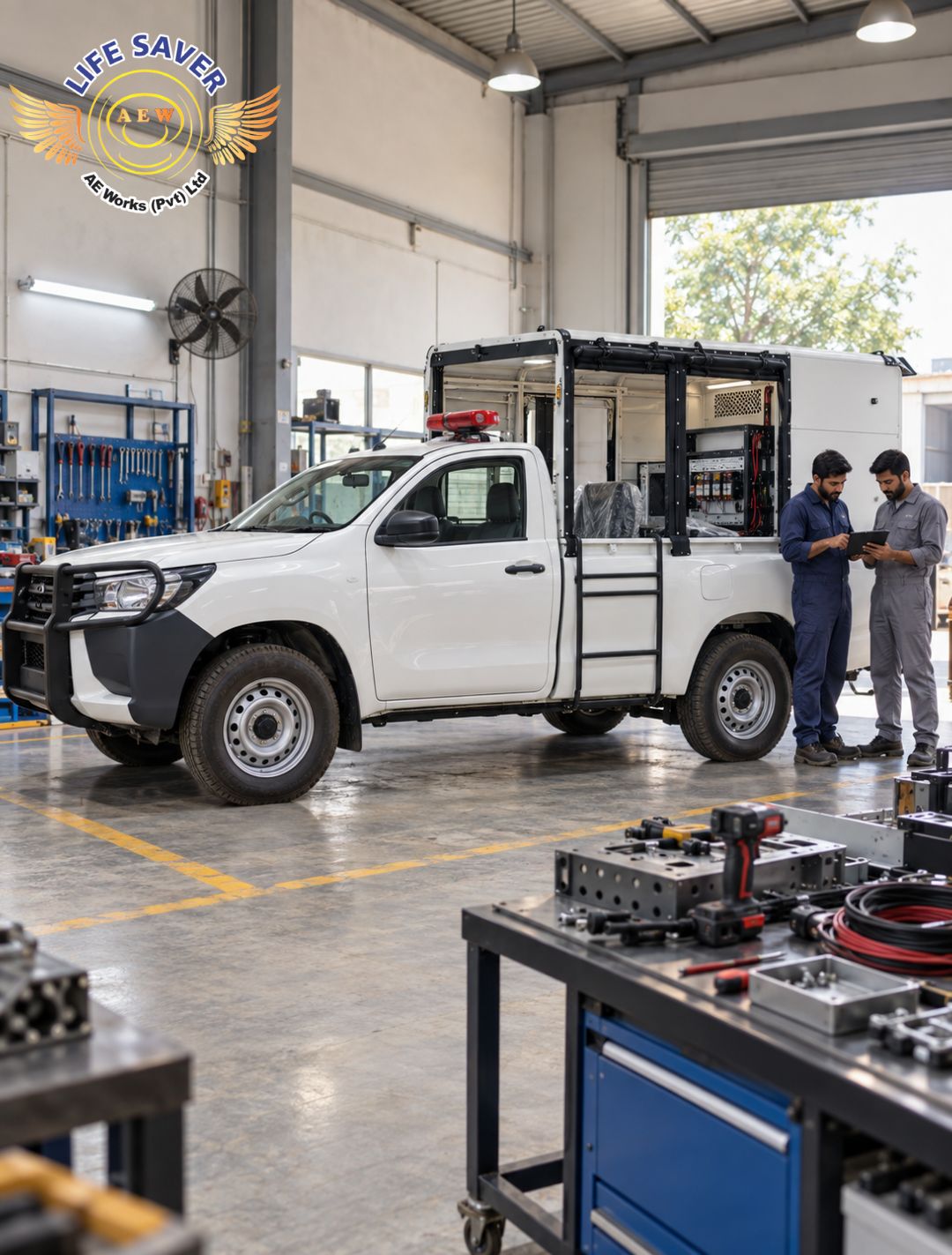
Mobile command vehicle fabrication turns a standard vehicle into a practical workspace for teams that need coordination on the move. In Pakistan, these units can support security, emergency response, industrial operations, and public-sector activities where fast decisions matter. A well-planned build combines specialized vehicle manufacturing, custom fabrication solutions, structural design, system integration, and quality testing within one purpose-led platform.
Every layout should match the crew, equipment, power demand, storage needs, and operating environment. Instead of adding technology without a clear purpose, the vehicle should be engineered around actual field tasks. This approach creates a safer, more efficient command space that remains useful, serviceable, and ready for demanding operational conditions.
What Is Mobile Command Vehicle Fabrication and Why Does It Matter?
Mobile command vehicle fabrication converts a suitable base vehicle into an operational workspace designed around a defined mission. Unlike ordinary vehicle conversions, the process considers occupants, equipment loads, electrical demand, access, storage, cooling, maintenance, and safe movement. Every centimetre should support the work performed inside the vehicle.
Strong specialized vehicle manufacturing starts with requirements before fabrication begins. AE Works follows this wider principle across its existing vehicle range. Its website presents manufacturing, customisation, security vehicles, ambulances, cargo solutions, and specialised vehicles developed around practical operational needs. Explore AE Works vehicle fabrication and customisation solutions.
Mobile Command Vehicle Fabrication vs Standard Modification
A standard modification may add seats, lights, cabinets, or accessories. A command conversion requires deeper planning. Designers must consider equipment placement, operator reach, weight, electrical loads, ventilation, cable routes, and maintenance access. Well-planned custom fabrication solutions create one working system rather than a collection of unrelated additions.
Why Purpose-Built Design Matters in Pakistan
Pakistan presents varied operating conditions, from dense urban roads to industrial sites and remote routes. Heat, dust, long journeys, congestion, and uneven surfaces can influence vehicle selection. Proper purpose-built vehicles need sensible weight management, maintainable components, suitable access, and interiors matched to their real operating environment.
“A vehicle is more than a machine. It is an operational asset.”
That principle reflects the strongest approach to command-vehicle design. Technology alone does not create capability. A useful mobile unit solves specific operational problems while keeping equipment accessible, occupants comfortable, and maintenance practical throughout the vehicle’s working life.
Where Can a Mobile Command Vehicle Support Critical Operations?
A mobile command unit becomes valuable when coordination must happen close to an operation. Security teams may need a temporary control point. Emergency managers may require field coordination. Industrial organisations can need mobile supervision space. Similar design principles also appear in rescue vehicles used for specialist response duties.
However, a command vehicle is not automatically an ambulance or one of several mobile health units. Each has a different purpose. What they share is disciplined space planning, secure equipment, reliable power, safe access, logical storage, and an interior that supports people rather than forcing them around badly positioned hardware.
Security and Surveillance Coordination
Security operations may require personnel to monitor information while remaining close to a site. A custom command vehicle can be planned around workstations, controlled storage, communications provisions, equipment mounts, and restricted access. The exact configuration should follow the client’s approved operating procedures and confirmed equipment requirements.
Emergency and Incident Coordination
Emergency operations often involve several teams working from changing locations. Pakistan’s National Disaster Management Authority describes its Mobile National Emergency Operations Centre as a rapidly deployable field command-and-control facility supporting coordination among stakeholders. This provides useful Pakistan-specific context for the value of mobile command and control vehicles and other deployable command facilities. Read the NDMA National Disaster Management Plan.
Industrial and Institutional Operations
Factories, construction environments, utilities, campuses, and controlled facilities may also need movable coordination space. The role might involve site management, technical supervision, security, or incident planning. AE Works already positions its wider customisation capability around commercial, industrial, institutional, security, healthcare, and public-sector operating requirements.
How Do You Choose the Right Vehicle for a Mobile Command Unit?
Choosing the base vehicle should begin with operational needs rather than appearance. Consider crew numbers, interior height, equipment space, payload, doors, road conditions, maintenance access, and deployment duration. The right platform for compact command vehicles may be very different from one designed around several operator stations.
Serviceability also matters in Pakistan. Parts availability, workshop familiarity, turning space, road access, and long-term maintenance can influence ownership costs. AE Works currently works with platforms including Toyota Hiace, Changan Karvaan, Toyota Hilux, Toyota Grande, and Changan Karvaan M9. That range illustrates why selection should remain mission-specific.
Van-Based Mobile Command Vehicle Platforms
Enclosed vans can provide protected interior volume and flexible zoning. AE Works already converts the Toyota Hiace for specialised ambulance use. Its product page documents storage, seating, controls, electrical provisions, and equipment locations. These offer transferable planning lessons, although they do not represent an existing AE Works command-vehicle specification. See AE Works’ Toyota Hiace ambulance conversion.
Pickup-Based Operational Vehicle Considerations
Pickup platforms may suit projects needing different ground clearance, external storage, or equipment arrangements. AE Works currently offers a Toyota Hilux Security Cab for specialised security applications. A command conversion would still require separate engineering assessment because equipment, occupants, electrical systems, protection additions, and fabrication can change vehicle loads. Explore the Toyota Hilux Security Cab.
Space, Payload and Crew Capacity
Interior space disappears quickly once equipment enters the design. Seats occupy volume. Cabinets add weight. Batteries, displays, cooling systems, and communication equipment need further capacity. Before fabrication starts, the design should compare people, payload, storage, movement, and future upgrades against the donor vehicle’s verified limits.
| Selection factor | Why it matters | Question before fabrication |
|---|---|---|
| Crew capacity | Determines seating and working positions | How many people must work together? |
| Interior volume | Controls workstation and storage options | Can operators work without blocking movement? |
| Payload | Limits equipment and added fabrication weight | What load can the selected vehicle safely support? |
| Operating environment | Influences clearance and manoeuvrability | Where will the vehicle normally operate? |
| Serviceability | Affects downtime and ownership costs | Can the platform be maintained locally? |
| Future upgrades | Reduces premature obsolescence | Which systems may change later? |
What Should Be Planned Before Mobile Command Vehicle Fabrication Begins?
Successful fabrication starts long before anyone cuts a panel. Define the mission, operators, equipment, deployment duration, electrical loads, communications, storage, access, and environmental conditions first. Detailed engineering layouts and interior schematics can expose space conflicts before they become expensive workshop problems.
Planning should also separate essential capabilities from attractive extras. Every display, cabinet, battery, antenna, and fitting consumes space, power, or payload. Effective structural design therefore balances capability with simplicity. The aim is not to install everything possible. It is to make necessary equipment accessible, secure, maintainable, and useful.
Define the Mission Profile First
Describe a normal deployment from departure through operation and return. Record road conditions, crew numbers, working duration, equipment use, communication needs, and likely working positions. Then consider exceptional scenarios. This sequence prevents rare situations from dictating the whole vehicle while preserving sensible contingency capacity.
Build an Equipment and Operator Matrix
Match each operator position with the equipment used most frequently. Record mounting locations, power requirements, viewing distances, storage needs, and service access. This process reveals conflicts early. A screen can look perfectly placed on a drawing yet obstruct movement when a cabinet opens beside a seated operator.
Plan for Future Expansion
Vehicle bodies often remain in service longer than electronic equipment. Accessible cable routes, removable panels, modular storage, and sensible spare capacity can simplify future changes. However, additional electrical capacity should follow engineering calculations rather than guesswork. Good upgrade planning reduces the need to dismantle major sections later.
How Is a Mobile Command Vehicle Interior Designed for Better Workflow?
Interior layout can decide whether a command unit feels organised or chaotic. Frequently used controls should remain within practical reach. Walkways need clearance. Equipment requires secure mounting. Cabinets must open without colliding with seats. Careful precision assembly matters because small fitment problems become larger frustrations inside compact cabins.
AE Works’ ambulance portfolio provides relevant examples of workflow-based interior conversion. Its Toyota Hiace ambulance includes positioned EMT seating, storage, electrical controls, and equipment locations. The Changan Karvaan also demonstrates how ambulance fabrication must balance people, access, equipment, and limited interior space without wasting useful volume.
Create Functional Interior Zones
A command interior may include operator positions, technical equipment, secure storage, briefing space, and access routes. Not every vehicle requires every zone. The arrangement should follow real tasks. Keeping high-heat technical equipment away from primary work positions may also improve comfort and make maintenance easier.
Design Around Ergonomics and Movement
Poor ergonomics becomes tiring very quickly in a small vehicle. Displays should sit at comfortable viewing angles. Seats should support expected operating periods. Drawers and doors need proper clearance. Frequently used controls belong within easy reach. Thoughtful movement planning can also reduce congestion when several operators work together.
Make Storage Work Harder
More cabinets do not automatically create better storage. Oversized compartments can hide smaller items and consume valuable working space. Secure, clearly organised storage usually works better. AE Works’ ambulance interiors demonstrate this principle through purpose-positioned medical storage and equipment areas that support specific operational tasks.
What Systems Should Be Considered in a Custom Command Vehicle?
Systems planning should begin with a confirmed equipment schedule. Electrical circuits, batteries, communications hardware, displays, lighting, cooling, charging points, and ventilation can affect one another. Effective system integration considers these relationships together. Poor coordination can create inaccessible wiring, heat accumulation, electrical overload, or unnecessary cabin clutter.
Some projects may require climate-controlled compartments for equipment with strict temperature limits. External equipment housings may need to be weather-sealed for extreme temperatures where the manufacturer’s specifications demand such protection. These should remain project-specific engineering decisions, not assumed standard features of an AE Works command vehicle.
Power and Electrical Planning
Electrical design should calculate continuous demand, peak loads, charging needs, and expected operating duration. It should also consider what happens while the engine is switched off. Protected circuits, sensible grounding, cable management, isolation, ventilation, and maintenance access can matter as much as battery capacity.
Communications and Connectivity
Communication planning should begin with systems the organisation already uses. Radio, cellular, networking, satellite, or other approved equipment can require different antennas, power supplies, and mounting positions. Good custom vehicle conversion services should make provision for confirmed client systems rather than locking the vehicle into unnecessary technology.
Surveillance, Displays and Equipment Integration
Displays need useful sightlines without dominating the workspace. Networking devices, control equipment, and recorders need secure mounts and adequate ventilation. External sensors may require protected cable routes. Some heavy conversions may call for reinforced sub-frames and body shells, although reinforcement should follow engineering assessment and verified loads.
Climate Control and Cabin Usability
Pakistan’s climate makes temperature management important for both operators and equipment. Cooling calculations should consider passengers, glazing, insulation, electronic heat, and exterior temperature. Task lighting also deserves attention. Bright screens, reflections, and poorly positioned lamps can cause unnecessary visual fatigue during prolonged operations.
How Does the Mobile Command Vehicle Fabrication Process Work?
A disciplined fabrication process reduces costly corrections later. AE Works describes its wider approach around understanding the application, planning the solution, building it, and preparing it for intended use. A command project can extend that sequence through assessment, layout development, fabrication, electrical preparation, integration, inspection, and commissioning.
Drawings and specifications should remain controlled throughout the build. Even a small change can affect several systems. Moving cabinetry may alter wiring routes. Extra batteries increase mass. Additional electronics create heat. This interconnected thinking distinguishes professional custom fabrication solutions from piecemeal vehicle accessory installation.
Requirement Assessment and Engineering Planning
The first stage should capture users, tasks, equipment, communications, storage, deployment duration, operating environment, and maintenance expectations. Engineers can then evaluate whether the proposed vehicle provides enough space, payload, access, and electrical capacity before detailed fabrication work starts.
Fabrication and Interior Fit-Out
Once the design is approved, fabrication can move into interior structures, equipment supports, flooring, cabinetry, cable paths, seating, and finishing. Any structural changes should respect the donor vehicle’s original integrity and verified load limits. Accuracy during this stage supports durable manufacturing and practical design throughout the completed build.
Equipment Integration and Commissioning
Equipment should follow a defined integration plan covering power, data, cooling, mounting, and operator access. Commissioning then verifies how these elements work together. A display that powers on has passed only one basic check. Operators must also be able to use, view, maintain, and isolate equipment appropriately.
Quality Checks Before Handover
Good quality testing goes beyond appearance. Cabinets should close correctly. Equipment mounts need security. Electrical circuits require verification. Cooling should perform under expected operating loads. Access routes must remain usable. Where procurement specifies a field-ready unit with operator training, those requirements should appear clearly within the agreed project scope.
How Do AE Works’ Existing Specialised Vehicles Demonstrate Custom Fabrication Capability?
AE Works does not currently list a standard catalogue product named “Mobile Command Vehicle.” Keeping that distinction clear strengthens trust. Its verified range instead includes ambulances, security vehicles, cargo and utility solutions, electric shuttle buses, and customised motorcycles. The site also presents custom vehicle configurations developed around specific applications.
Those existing products provide a useful engineering connection. Ambulances demonstrate workflow-led interiors and equipment placement. Security vehicles show specialised modification. Cargo solutions illustrate utility-focused configuration. Together, they support the concept of purpose-built vehicles according to client requirements without presenting an undocumented command vehicle as an existing production model.
Toyota Hiace Ambulance: Workflow-Led Interior Conversion
AE Works’ Toyota Hiace ambulance demonstrates significant interior adaptation. Its page documents side cabinets, seating, medical-equipment storage, electrical controls, and equipment mounting. Those are ambulance features. However, the broader lesson remains relevant: a specialised interior performs better when its equipment follows real operator workflow. View the Toyota Hiace Ambulance product page.
Changan Karvaan Ambulance: Compact Space Planning
The Changan Karvaan ambulance provides another example of fitting a specialised function into a smaller vehicle platform. AE Works documents patient and assistant accommodation, equipment storage, seating, and emergency fittings. The example shows why usable space should be evaluated against real operational requirements before conversion begins. Explore the Changan Karvaan Ambulance.
Toyota Hilux Security Cab: Specialised Security Modification
AE Works’ Toyota Hilux Security Cab demonstrates security-focused vehicle customisation. The current product page discusses protection systems, security technology, suspension-related changes, communications functions, and other specialist modifications. These features show fabrication breadth. They do not mean every Hilux configuration is automatically suitable for a mobile command role.
Changan Karvaan M9 Cargo: Utility-Led Customisation
AE Works also lists the Changan Karvaan M9 as a cargo and utility solution built around transportation and operational requirements. It reinforces a core principle of command fabrication: every vehicle should be configured around what people need to carry, access, protect, and maintain. Explore AE Works’ wider specialised vehicle product range.
AE Works Capability Snapshot
| Verified AE Works area | Relevant fabrication experience | Connection with command-vehicle planning |
|---|---|---|
| Toyota Hiace ambulance | Workflow-led interior conversion | Relevant to complex cabin planning |
| Changan Karvaan ambulance | Compact-space organisation | Relevant to smaller vehicle layouts |
| Toyota Hilux Security Cab | Security-focused customisation | Relevant to specialised operational builds |
| Toyota Grande Security Car | Security vehicle modification | Demonstrates purpose-specific customisation |
| Changan Karvaan M9 cargo | Utility configuration | Relevant to equipment and storage planning |
| Customised bikes | Task-specific mobility | Shows application-led fabrication across formats |
What Should Buyers Consider Before Commissioning a Mobile Command Vehicle?
Procurement should begin with a written operational requirement. Define who will use the vehicle, where it will work, and which equipment it must support. Then review the donor platform, payload, power requirements, interior plan, maintenance, approvals, and upgrade strategy. High-quality specialized vehicles usually begin with disciplined specifications.
Price remains important, although fabrication cost tells only part of the story. Poor access can increase maintenance costs. Excessive weight may harm practicality. Rigid layouts can obstruct later upgrades. Buyers assessing a specialized vehicle manufacturer in Pakistan should therefore examine verified fabrication experience, documentation, maintainability, and project-specific engineering.
Consider Legal Requirements Before Major Alterations
Vehicle modifications can have regulatory consequences. Section 33 of Pakistan’s provincial motor-vehicle legislation generally addresses alterations that make registration-certificate particulars inaccurate and requires relevant changes to be reported. Exact procedures can vary by province and project, so owners should verify current local requirements before modification. Read the Provincial Motor Vehicles Ordinance on Pakistan Code.
Assess Total Project Requirements, Not Just Price
Two command vehicles using the same donor platform may have very different project costs. Electrical capacity, fabrication complexity, materials, seating, displays, cooling, communications provisions, storage, equipment, and testing can all change the scope. A detailed technical quotation is therefore more useful than comparing headline figures with different inclusions.
Design for Maintenance From Day One
Technicians will need access after the vehicle enters service. Removable panels, clearly labelled circuits, reachable connectors, accessible filters, and serviceable equipment positions can shorten maintenance time. A clever-looking installation quickly loses its appeal when replacing one fuse requires dismantling half the interior.
Specify Training and Handover Requirements
Complex systems deliver little value when operators do not understand them. Procurement documentation should define commissioning, manuals, acceptance checks, and any required familiarisation. For government defence and emergency applications, additional security, regulatory, documentation, and operational requirements may also apply according to the responsible organisation and project scope.
Why Choose AE Works for Custom Mobile Command Vehicle Fabrication in Pakistan?
AE Works’ strongest evidence comes from vehicles it already manufactures and customises. Its current catalogue includes ambulances, security vehicles, cargo solutions, electric shuttle buses, and specialist motorcycles. The website also presents customised vehicle configurations for operational requirements. This provides a relevant foundation for discussing a bespoke command-vehicle project.
For organisations considering mobile command vehicle fabrication in Pakistan, requirement assessment should come first. Platform choice, workspace, communications provisions, storage, electrical power, cooling, and equipment must be defined before a final configuration is confirmed. That requirement-led approach aligns with AE Works’ published focus on practical engineering and application-specific customisation.
Experience Across Specialised Vehicle Categories
AE Works’ portfolio covers healthcare, security, utility transport, passenger mobility, and customised applications. Its established ambulance fabrication work is particularly relevant because these vehicles combine equipment, storage, electrical systems, people, and restricted cabin space. That experience demonstrates transferable fabrication principles without implying identical command-vehicle specifications.
Customisation Around Operational Requirements
AE Works presents its wider fabrication approach around actual applications rather than one universal configuration. This supports purpose-built vehicles designed for defined tasks. A command project should therefore begin with the operating environment, donor platform, workflow, occupants, equipment, maintenance expectations, and other confirmed requirements.
From Requirement to Practical Mobile Solution
A credible command project connects engineering with daily use. Loads, workspace, wiring, cooling, ergonomics, maintenance, and regulatory requirements should work together. AE Works’ stated requirement-led approach provides a relevant foundation for custom vehicle conversion services where the final configuration is developed around agreed operational needs.
Discuss Your Mobile Command Vehicle Requirement With AE Works
Every project starts with different constraints. Share the proposed vehicle, operating location, crew requirements, equipment, communications needs, and deployment conditions. AE Works’ enquiry page invites clients to explain what they need built so an appropriate fabrication approach can be discussed. Discuss your vehicle project with AE Works.
Pakistan Context: Why Mobile Command Capability Matters
Pakistan already uses deployable command-and-control concepts within disaster management. NDMA’s National Disaster Management Plan 2025 describes the Mobile National Emergency Operations Centre as a rapidly deployable facility for disaster-affected areas. It is intended to strengthen field command, control, communication, and coordination among multiple stakeholders.
Punjab Emergency Service also responds to medical emergencies, road crashes, fires, building collapses, hazardous-material incidents, floods, and water rescue. Such varied operations show why coordination, communications, and mobility can matter during complex incidents. Any mobile command vehicle fabrication project should therefore begin with the operational system it must support. Learn about Punjab Emergency Service Rescue 1122.
Final Thoughts: Build the Mission Before the Vehicle
Mobile command vehicle fabrication works best when the mission guides every decision. Start with people, tasks, equipment, road conditions, power, communications, and maintenance. Then evaluate the donor platform. This order helps prevent a common problem: buying a vehicle first and trying to force the complete operation inside afterwards.
AE Works’ verified portfolio provides relevant experience in specialized vehicle manufacturing, security customisation, utility conversions, and emergency vehicles. For a bespoke project, careful engineering layouts and interior schematics, considered system integration, practical maintenance access, and disciplined testing can turn a standard vehicle into a coherent operational asset.
Frequently Asked Questions
What Is a Mobile Command Vehicle?
A mobile command vehicle is a specially configured vehicle that provides a movable workspace for coordination, communications, monitoring, and field operations. Its layout and equipment depend on the organisation’s intended mission.
How Much Does a Mobile Command Vehicle Cost?
There is no reliable single price without a defined specification. Cost depends on the donor vehicle, fabrication complexity, interior design, electrical capacity, communications equipment, cooling, materials, and project-specific systems.
What Are the Main Features of a Mobile Command Vehicle?
Typical planning areas include operator workstations, secure storage, power distribution, communications provisions, displays, lighting, cooling, equipment mounting, and organised cable routes. The exact feature set should match the vehicle’s operational purpose.
How Long Does It Take to Build a Mobile Command Vehicle?
Fabrication time depends on donor-vehicle availability, engineering work, layout complexity, materials, equipment integration, revisions, testing, and procurement requirements. A realistic schedule can only be confirmed after the project scope is defined.
What Is the Difference Between a Mobile Command Vehicle and a Mobile Command Center?
A mobile command vehicle is a vehicle configured for field coordination. A mobile command centre is a broader concept that can include vehicles, trailers, containers, or other deployable facilities used to manage operations.